Alumni in Print
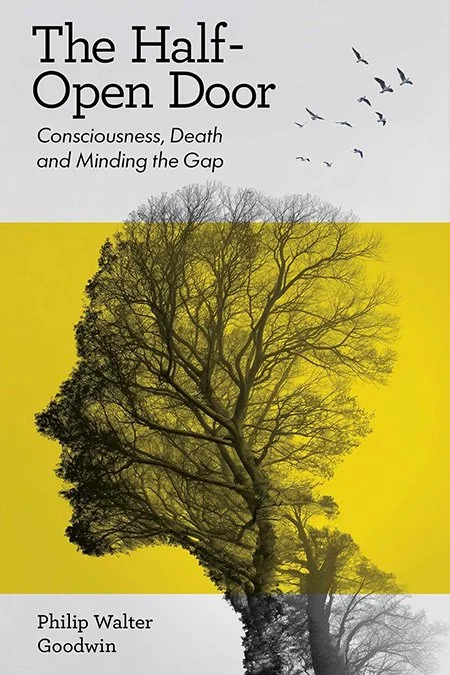
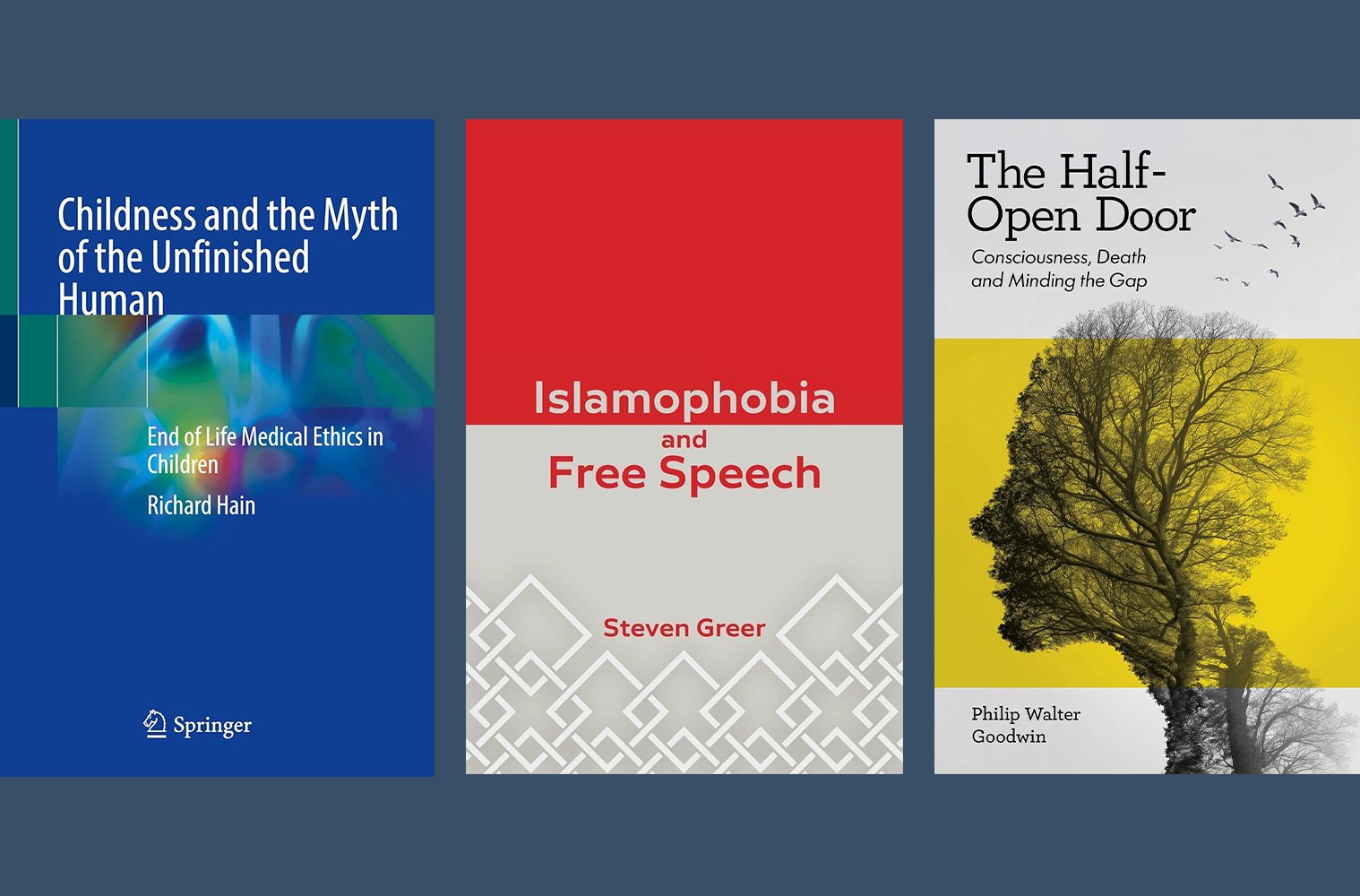
The Half-Open Door
The Half-Open Door: Consciousness, Death and Minding the Gap by Philip Goodwin (1979 Philosophy, Politics and Economics) is a thoughtful and deeply personal exploration of one of life’s most difficult questions: what happens to consciousness when we die? Prompted by the deaths of loved ones, Philip blends memoir, philosophy, religion, and current thinking on mind and brain into a reflective journey through grief, mortality and meaning. Reviewers praise its clarity, courage, emotional honesty, and wide-ranging approach, noting how Philip connects intimate experience with serious ideas about death, personhood and reality. This is a resonant book for readers drawn to consciousness, afterlife questions and the mystery of human existence, without an overly sentimental or academic perspective.
Islamophobia and Free Speech
In his book Islamophobia and Free Speech, cancel culture survivor and internationally renowned human rights scholar Professor Steven Greer (1976 Jurisprudence), surveys the current trend to restrict lawful and legitimate criticism of Islam and its adherents. The historical debate about the Islamic faith, the essentials of its mainstream interpretation, and the principal dissenting Muslim perspectives are reviewed. Relevant legal and human rights frameworks, plus the UK’s recently-announced ‘official non-statutory definition of anti-Muslim hostility’, are also critically examined. Islamophobia and Free Speech should be required reading for everyone concerned about increasing intolerance and the erosion of lawful expression in Britain and elsewhere, and will interest all readers concerned with human rights, religion, equality and free expression.
Childness and the Myth of the Unfinished Human
Childness and the Myth of the Unfinished Human: End of Life Medical Ethics in Children by Richard Hain (2012 Theology) is a thoughtful challenge to the way medical ethics often measures children by adult standards. Drawing on neuroscience, philosophy, theology and his experience as a paediatric palliative care doctor, Richard argues that a child’s value should not depend on usefulness to adults, resemblance to adults, or future adulthood. Instead, he asks readers to take “childness” seriously in its own right, especially in end-of-life care. Clear in purpose and grounded in clinical reality, this book will interest ethicists, health-care professionals, students and anyone concerned with how children are represented in moral decision-making.