Wealth and Climate | Hettie Moorcroft

Hettie Moorcroft (2020 Geography) writes:
The richest 10% of the population are responsible for over half of global emissions, yet the impacts of climate change will affect them the least. For climate action to be effective and equitable, wealth-based emissions inequalities must be addressed. Indeed, doing so would not only facilitate a just transition to net-zero, but accelerate it.
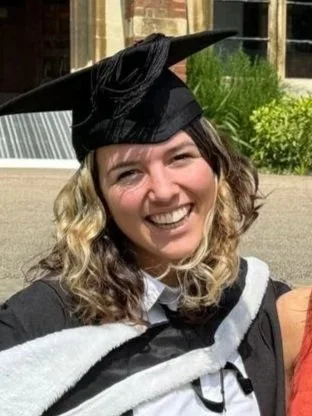
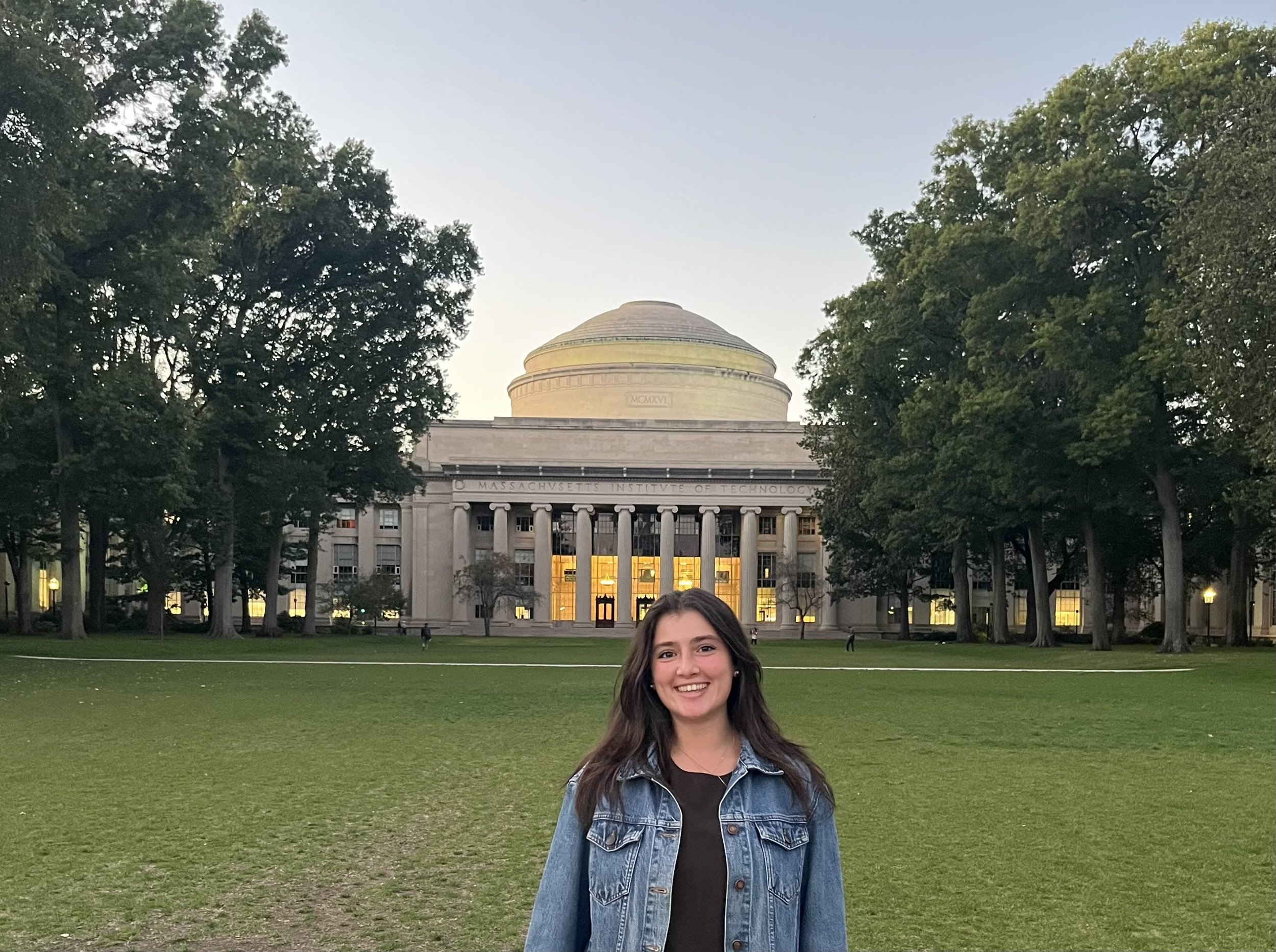
Hettie Moorcroft at her graduation
My research, now published in the leading interdisciplinary journal PLOS Climate with co-authors Dr Sam Hampton and Prof Lorraine Whitmarsh MBE, investigated the role that wealthy people play in the context of climate change and opportunities to reduce their emissions. Whilst at Keble, I advanced the ACCESS project’s quantitative research on the ‘carbon capability’ of UK households by recruiting additional research participants, designing and distributing a tailored survey building on the original framework, and conducting in-depth interviews with participants. This work expanded the dataset to include under-represented wealthy individuals and provided novel insights into the perspectives and behaviours of this demographic.
The research findings indicated that despite their high consumption-based emissions, wealthy people are often more capable of making low-carbon choices than non-wealthy people. For example, wealthy people may have greater knowledge and awareness of climate change or be in greater positions of power to exert climate-positive influence.
In the journal article, we articulate how this influence could be catalysed through mechanisms which associate low-carbon lifestyles with wellbeing or frame low-carbon technologies as desirable. The article was picked up across several media outlets (including an article in the Guardian) and has been selected by PLOS Climate for inclusion in their publication highlights of 2025.
After completing my undergraduate degree at Keble, I joined the University of Bath as a Research Assistant, continuing to explore carbon capability among different UK populations, for example, how age may influence the ability to make low-carbon decisions. During this time, I translated research into policy engagement through published essays aimed at UK decision-makers. This included a member blog for the UK Universities Climate Network and an explainer for the Grantham Institute’s myth-busting series for MPs, designed to deepen policymakers’ understandings ahead of the 2024 General Election.
I’m now working as an energy transition consultant, using insights from my research to help shape and drive the delivery of UK net zero energy policies.