Designing the Future of Care | Elisa Cardamone
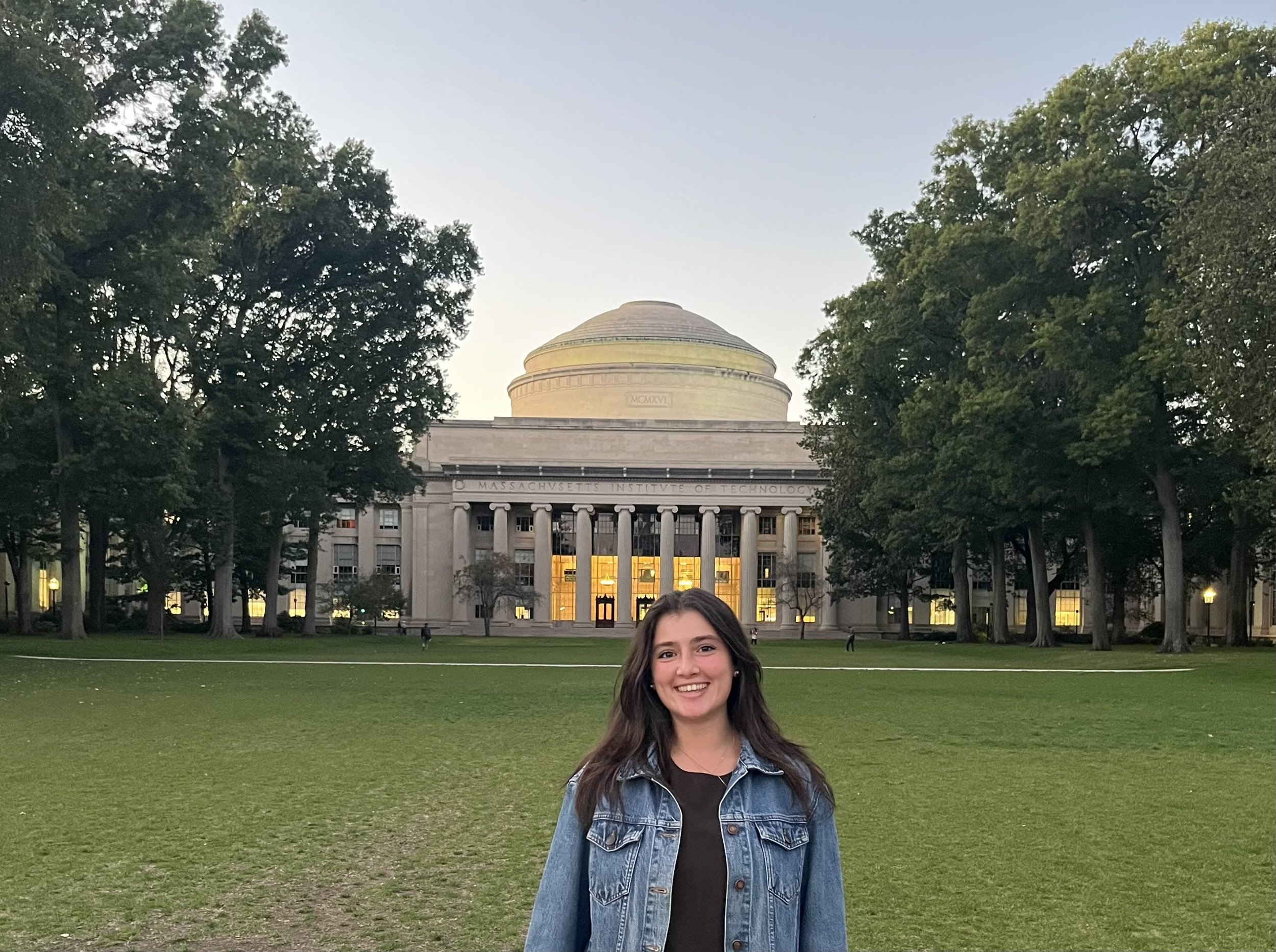
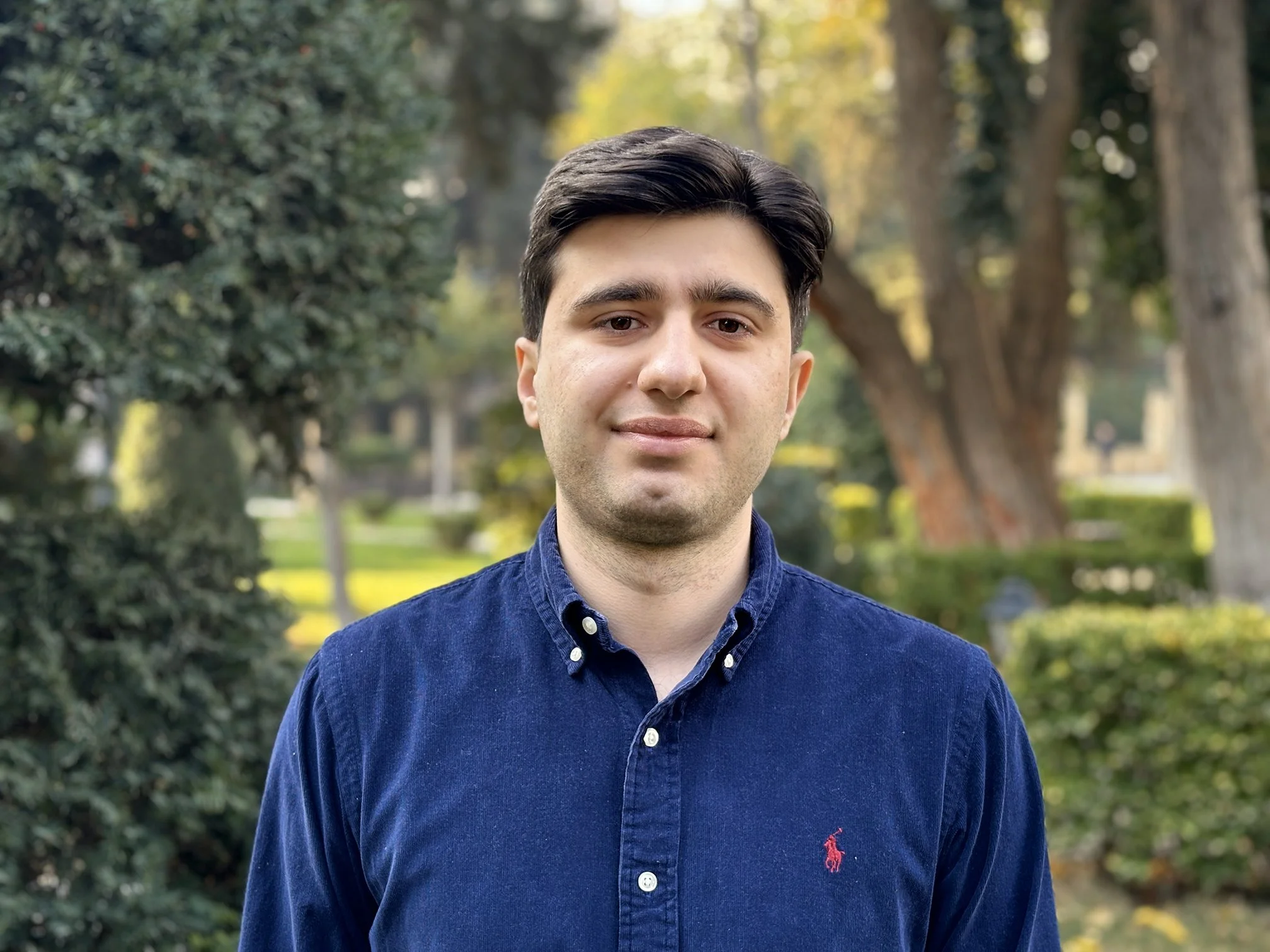
Elisa Cardamone (2021 MSc Medical Anthropology) writes:
When I began my PhD almost four years ago, I never imagined how far it would take me. My doctoral work asks two seemingly simple questions: how do older adults use food — planning it, preparing it, sharing it — as a form of self-care, and how might digital platforms support or complicate those practices? Looking for answers, I spent months visiting kitchens in Edinburgh, talking with older adults, and cooking and eating together.
Yet the more we chatted, the more questions I had. In those months, between one bite of roasted salmon and tatties and a sip of wine, I understood that those conversations about living longer, caring for oneself and others, and the role of technology and innovation, were not limited to the dinner tables I was sitting at — they were stories about all of us.
So, looking to understand how other countries are tackling the challenge of human longevity and supporting people in living not just longer but more meaningful lives, I embarked on a new adventure as a Fulbright Visiting Scholar at the AgeLab of the Massachusetts Institute of Technology.
MIT’s culture of interdisciplinary problem-solving encouraged me to expand my original research into broader questions about the future of ageing in a world increasingly shaped by digital systems, rapid AI development, and health-care challenges. These conversations helped me ask new questions: for example, how should emerging technologies be designed to respect everyday forms of care? And how can human-centred design be paired with systems-level thinking to shape healthier ageing futures on a global scale?
One of the highlights of my time at MIT has been working with the “Age Gain Now Empathy System” (AGNES) suit. AGNES simulates physical conditions usually associated with older age, allowing researchers to experience the world through their future selves. Using it has deepened my understanding of how design can make or break autonomy, dignity, and participation in later life.
Equally transformative has been the cross-cultural learning. Conversations about ageing in the US differ significantly from those in the UK, revealing alternative expectations and approaches to care. In Boston, I met researchers developing smart kitchens, ageing-in-place policies, and sensor-based home monitoring systems. Across these fields, I found myself acting as a translator, bringing ethnographic sensitivity into engineering debates and foregrounding dignity in discussions about automation.
This bridging role reflects the kind of career I hope to build: one that connects disciplines, cultures, and communities to design more equitable, resilient care systems.
While I still have six months left before returning to Edinburgh to complete my PhD, I already know I will carry with me the energy of MIT and the collaborations formed through the Fulbright. I am eager to keep building connections among design, anthropology, engineering, and public health, and to help shape care systems that reflect the lived realities of those they serve, designing together a better tomorrow for everyone.